Sometimes in the Dark and the Origin of an Optical Question
(this post is the second part from my previous one hosted here and on patreon (www.patreon.com/IAMCCS)
I didn’t start thinking about optical imperfection while writing a paper. I started thinking about it when the image began to resist me.
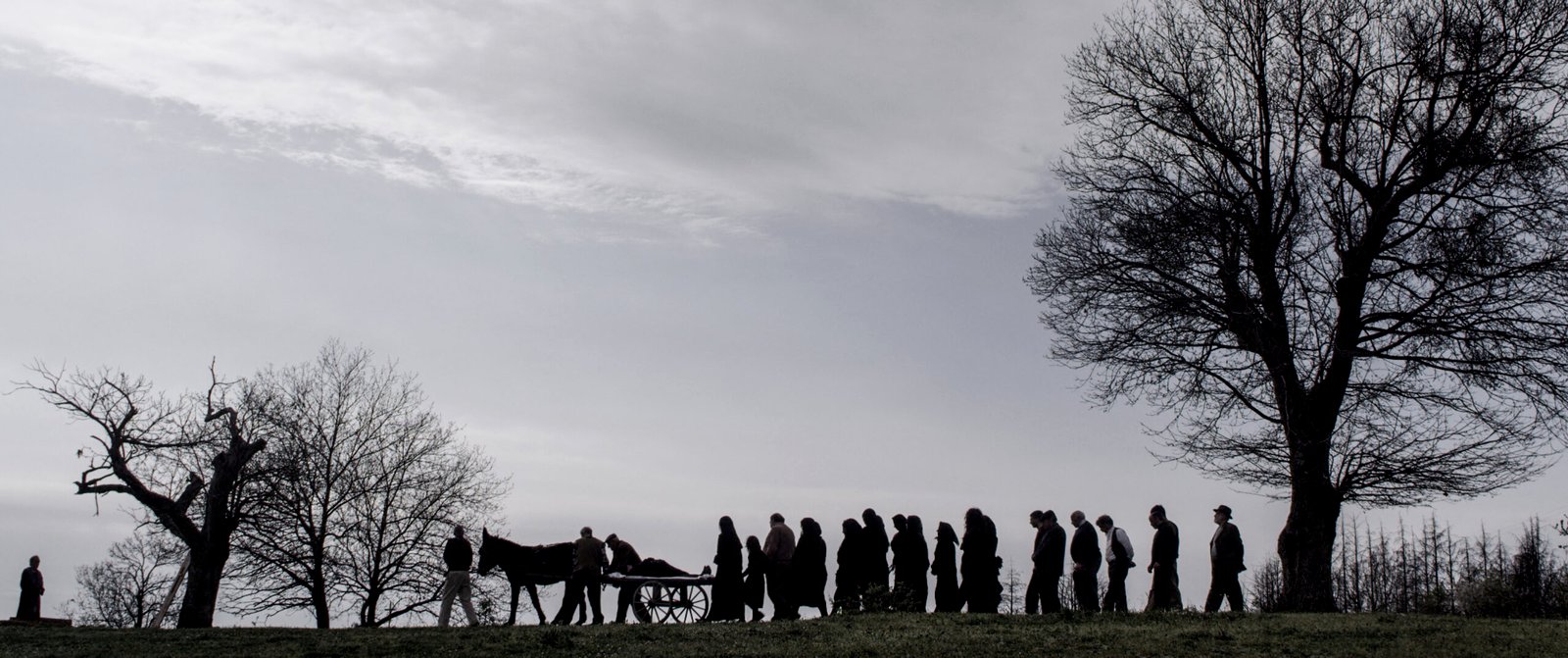
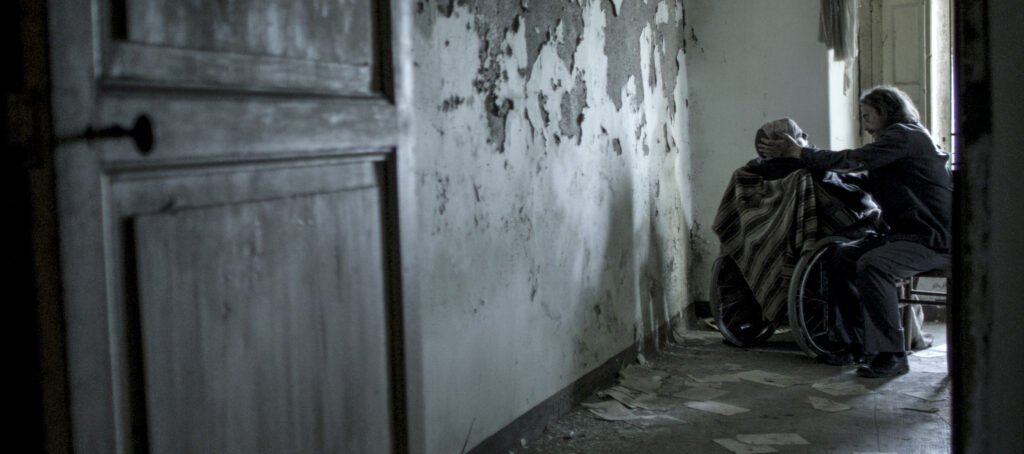
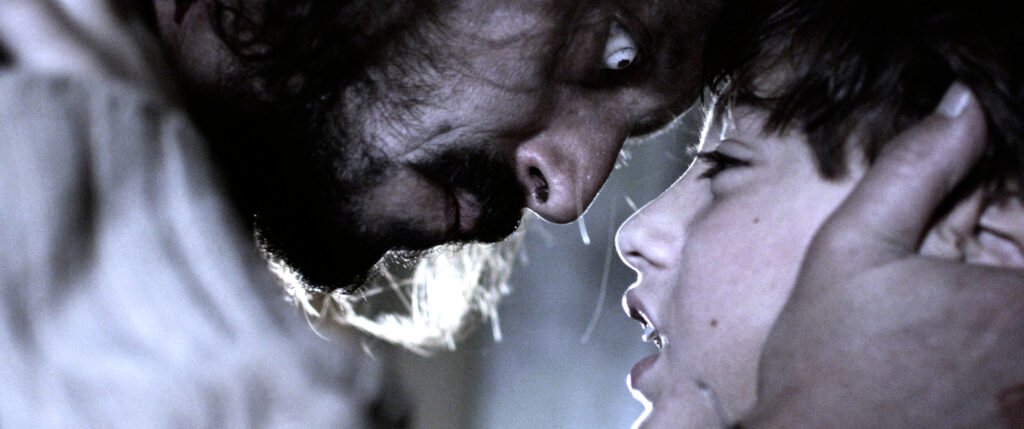
Sometimes in the Dark (check other info about the film on the page of the website: CINEMA ) was conceived as a film where the image itself carried narrative weight — not as illustration, but as structure. From the beginning, I knew the risk: working with high-definition digital cameras meant entering a territory of excessive clarity, where cinema can easily collapse into pure information.
The problem wasn’t technology.
The problem was what technology wanted the image to become.
Modern digital sensors are extraordinarily precise.
They see everything. And that, paradoxically, is the danger.
During Sometimes in the Dark, I realized that ultra-definition doesn’t simply increase detail — it changes the ethical relationship between the image and the viewer. Nothing is allowed to remain ambiguous. Nothing can hide. The image stops suggesting and starts exposing.
Cinema, historically, has never worked this way.
Meaning lives in thresholds:
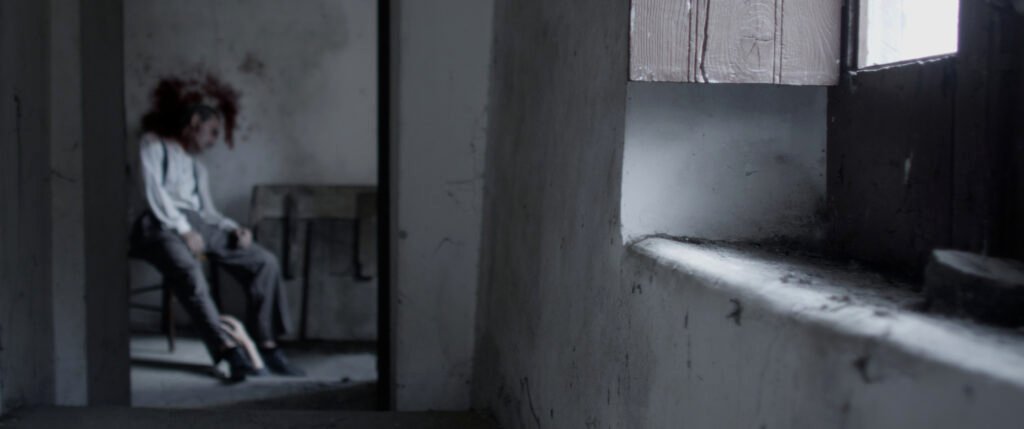
in uneven sharpness, in unstable depth, in parts of the frame that resist inspection.
The response was not found in post-production.
I didn’t want to “fix” the image later.
I wanted to decide its behavior upstream.
That led to the use of vintage lenses and, in key moments, historic anamorphic optics such as Kowa and Iscorama. Not as nostalgic artifacts, but as optical governors — systems that refuse uniform sharpness, redistribute attention, and impose a non-neutral geometry on the frame.
This experience made something very clear to me:
you cannot rebuild cinematic language after the image has already been normalized.
No LUT, no grain overlay, no clever grading can reconstruct a language that wasn’t there from the start.
Cinema has to decide how it sees before it decides what it shows.
The questions in the theoretical 2026’s paper When Cinema Thinks Through Form were already embedded in Sometimes in the Dark (the link to the paper: https://zenodo.org/records/18069441 )
When I began working with generative models, the same issue reappeared — amplified.
Diffusion systems are trained to normalize.
They erase exactly what lenses like Kowa or Iscorama insist on preserving.
Even when you ask for “cinematic”, the result is often a clean, decorative image — wide, sharp, spectacular, but anonymous.
This is not a prompt problem.
It’s a training and pipeline problem.
This same principle now guides my work in AI-cinema under IAMCCS Research — from theoretical writing to LoRA training, from workflows to optical biasing.
What Comes Next
This post is not a retrospective.
It is a foundation.
In the next phase of this research, I will present anamorph1x, an experimental anamorphic LoRA designed to preserve optical grammar inside generative workflows — not by simulating a look, but by defending a behavior.
Because cinema should not be cleaner than cinema.
It should be intentional.
— CCS / IAMCCS